Helping another person find a lawyer can be valuable. Clear roles make the appointment more useful and avoid assumptions about who gives instructions or receives the advice.
Tell the office whether you are a relative, friend, carer or another support person and what practical help you are providing.
Explain your role when booking
Tell the office whether you are a relative, friend, carer or another support person and what practical help you are providing. Ask whom it would regard as the client and who needs to participate. Arranging transport or paying an invoice does not tell the adviser who should receive information. Let the provider explain what it needs to establish before discussing the matter with you.
Ask how the person wants to participate
Where possible, discuss the person’s communication preferences and practical needs with them before contacting the office. Explain if they need an interpreter, extra time, accessible documents or a particular meeting format. Do not assume that bringing a family member addresses every language or communication requirement. Ask what support the service can arrange and whether any separate cost needs to be confirmed.
Prepare a short practical brief
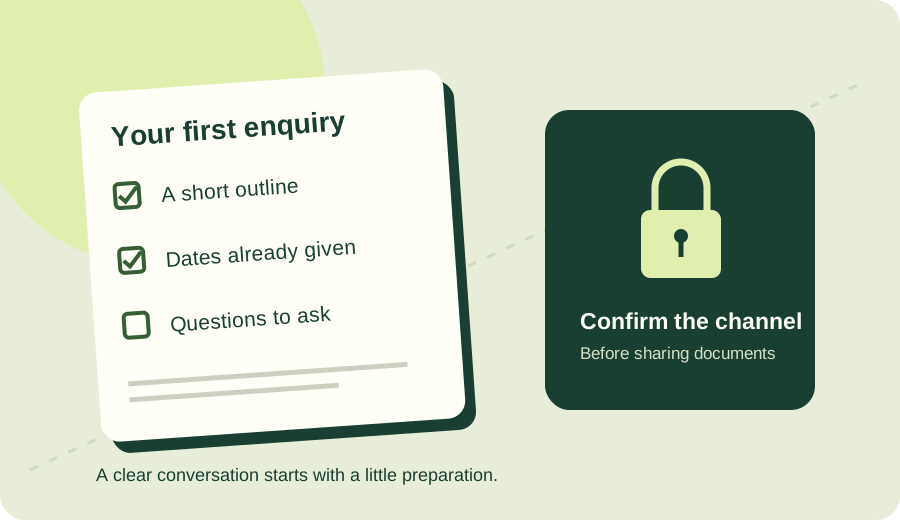
Help list the questions, stated dates and documents the person wants to discuss, keeping uncertainty visible. Ask the office which documents to provide and how to share them. Avoid distributing personal records to several providers just to obtain appointment information. If there is an urgent date, identify it at the start and ask whether an appropriate adviser can assess the timing.
Clarify your role in the room
Ask whether you can attend all or part of the meeting, take organisational notes or help with technology. The adviser may need to speak directly and privately with the client. Check how questions from a support person will be handled and who will receive follow-up. This guide does not determine anyone’s capacity or authority to act for another person; those questions require appropriate assessment.
Separate payment from instructions
If you offer to pay, ask how the office records that arrangement and who receives invoices or updates. Do not assume paying gives you authority to direct the legal work or access the file. Clarify the cost, scope and any further approvals needed. A transparent arrangement helps the person seeking advice understand the engagement and helps the office explain its responsibilities.
Plan the next practical step
After the appointment, ask what support has been agreed for collecting documents, booking another meeting or following up administrative questions. Keep the person’s preferences central and check what information can be shared with you. If the service cannot meet a communication need, ask about another suitable pathway. Victoria Legal Aid’s official website is one example of a service publishing help and communication information.
Questions you might still have.
Can I speak for someone automatically because I am family?
Do not assume so. Explain your role and ask the provider what authority and instructions it requires.
Can I pay without receiving the advice?
Ask the office to explain its payment and information-sharing arrangements.
Can I interpret for a relative?
Raise the language need with the office and ask what interpreter arrangement is appropriate.
General preparation information, not legal advice. Rules and options depend on your circumstances and jurisdiction. Check current official information and speak with a qualified adviser about documents, rights or deadlines.
Make your next conversation easier.
Build a private enquiry plan or compare two quotes, then find offices and check the arrangements that matter to you.
Use the preparation tools ↗Find local legal services ↗