You do not need a perfectly organised case file to make a first enquiry. The aim is to help an adviser understand the task without sending unnecessary personal information to an unconfirmed recipient.
Start with a short outline. Ask the office what it needs and how to send it before sharing a detailed file or making a payment.
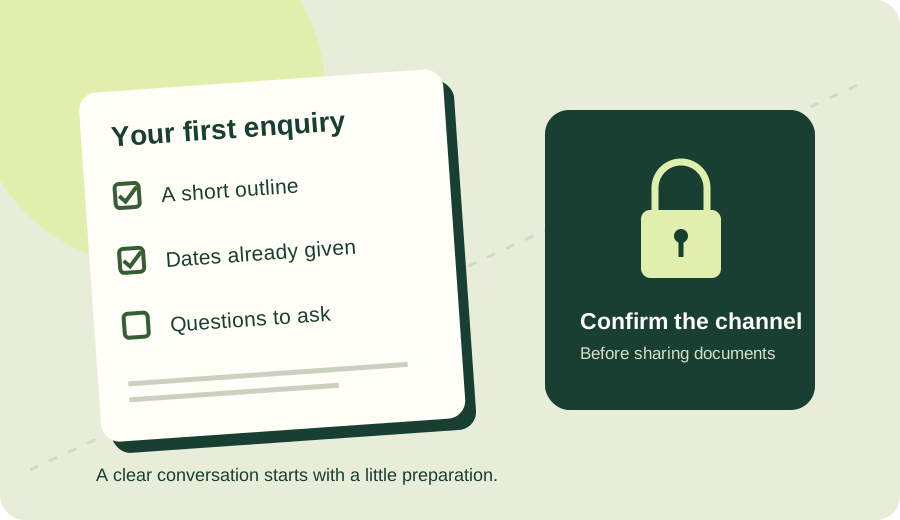
Write the short version first
Prepare a few sentences describing the issue, your role, the relevant location and what you want help with. List dates already printed on letters, contracts or notices, and make clear where each date came from. Do not try to convert those dates into a legal deadline yourself. If you do not understand a document, say that. A useful first question is whether the office handles this kind of work and can assess the timing, rather than asking it to analyse a large attachment without an agreed engagement.
Create a chronology that separates facts from questions
Use one line per event: the date, what happened, which document records it and what you are unsure about. Mark an approximate date as approximate. Keep your questions separate from the account of events so the adviser can see where you need clarification. This is an organisational aid, not a statement for filing or a substitute for advice on evidence. Ask the adviser before turning a working chronology into something you send to another party.
Keep versions identifiable and originals intact
Ask which documents are relevant before gathering every email or message. Give copies simple names, such as a document type and date, and identify a draft as a draft. Tell the office if pages or attachments are missing. Keep original records intact and avoid overwriting them with annotations. If you want to highlight questions, keep a separate note that refers to the page or clause. Ask whether large files, scans or photographs are acceptable and how the office wants them delivered.
Confirm the recipient and the sharing method
Verify the office’s contact details through a source you trust, then ask who should receive the material and which channel to use. Do not treat a familiar display name in an email as proof of identity. The Australian Signals Directorate explains that business email compromise can involve fraudulent invoices or changed payment details. If a request seems unusual, check it through independently verified contact details before acting. Avoid using a telephone number supplied only in the suspicious message.
Check whether review is included in the fee
Sending documents does not establish that someone will read them before your appointment. Ask which documents the adviser has agreed to review, whether reading time is included and whether additional material changes the estimate. Confirm any requested delivery date and what happens if you cannot provide the material in time. Keep a copy of the written scope and the list of documents you sent so you can check that both sides understand what the appointment covers.
Use a simple appointment pack
A practical pack may include your short outline, a chronology, the specific documents requested and a short question list. The provider should tell you what is appropriate for the matter. Include practical requirements such as an interpreter or safe callback method in your booking conversation rather than hiding them in a long attachment. After the meeting, record what further information was requested, who is doing what and any dates you were told to discuss or act on.
Questions you might still have.
Should I send everything to several firms?
Start by asking whether each office can handle the enquiry and how it wants documents shared. Avoid distributing a large confidential file before you have confirmed the recipient and intake process.
Does sending documents mean the lawyer is acting for me?
Do not assume so. Ask the provider to confirm whether it has accepted an engagement and exactly what work it will undertake.
General preparation information, not legal advice. Rules and options depend on your circumstances and jurisdiction. Check current official information and speak with a qualified adviser about documents, rights or deadlines.
Make your next conversation easier.
Build a private enquiry plan or compare two quotes, then find offices and check the arrangements that matter to you.
Use the preparation tools ↗Find local legal services ↗