A remote appointment can make it easier to speak with a suitable provider, particularly when travel, work or caring commitments make an office visit difficult. It still needs a clear purpose, an agreed scope and a practical plan for sharing information.
Confirm the appointment’s purpose, price, participants and document requirements before you book. A video link alone does not tell you what legal work is included.
Check whether remote is suitable for the proposed work
Explain the task and ask what the provider can do by phone or video. A first advice conversation may have different arrangements from signing documents, verifying identity or attending a later event. Let the provider explain what applies to your circumstances. Ask whether any in-person steps might be required and how they would be organised. If the issue relates to a different jurisdiction from your home, mention that rather than assuming an online appointment removes the distinction.
Agree the appointment details in writing
Confirm the time and time zone, meeting method, expected duration, named adviser and price. Ask whether the appointment includes reading documents beforehand or sending a written advice note afterwards. Find out how the office handles a lost connection and whether there is a phone backup. If another person will join, explain their role and ask who the adviser needs to speak with. Do not assume that the person arranging or paying for the appointment will automatically receive the advice.
Plan a private and accessible conversation
Choose a setting where you can hear clearly and discuss the matter comfortably. If finding privacy is difficult, tell the office before the meeting and ask about alternatives. Raise interpreter, captioning, hearing, vision or other access needs when booking. The service should explain what it can arrange and whether there is a cost. Agree how messages may be left if a safe-contact method matters. Ask before recording a meeting; do not assume recording is permitted or part of the service.
Send the requested documents through an agreed channel
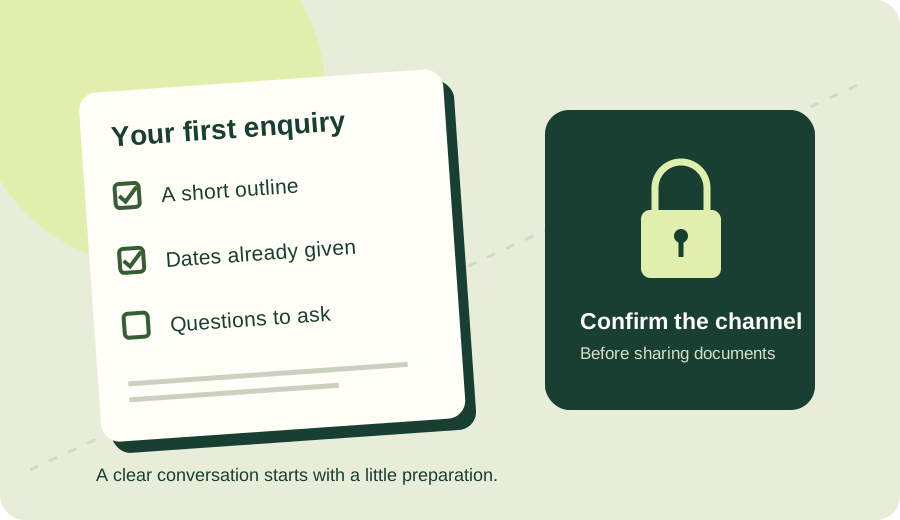
Ask which documents the adviser needs and the secure method for sending them. Label files with a short description and version date, and explain if a document is incomplete. Keep originals intact. Avoid sending large collections before the office confirms that it can discuss the matter and tells you what is relevant. A brief chronology, a list of stated dates and three questions can help organise the conversation without overwhelming it.
Use the last few minutes to confirm the next step
Before the appointment ends, ask what happens next, who is responsible for it and what further work would cost. Separate actions the adviser has agreed to undertake from matters still being considered. Ask whether you will receive a summary and how follow-up questions are handled. If a date is approaching, confirm that the adviser understands it and whether the engagement includes assessing or acting on that issue. Keep the appointment confirmation and any written scope together.
A fictional example: convenience does not define scope
Imagine one office offers a short video intake call and another proposes a paid document review followed by a video meeting. Both are remote appointments, but their deliverables differ. Ask the first office whether advice is included and the second which documents it will review. If you need an interpreter, ask both how this will be organised before comparing the prices. The useful comparison is what the provider agrees to do, not whether both invitations contain a video link.
Questions you might still have.
Is an online appointment always cheaper?
This directory does not establish that. Ask about the fee, document review, written follow-up and any later attendance costs. Remote describes the meeting format, not necessarily a smaller scope.
Can I use an office outside my state?
Explain the jurisdiction connected with the issue and ask whether the provider can handle that work. Do not infer authorisation or suitability from the availability of a video appointment.
General preparation information, not legal advice. Rules and options depend on your circumstances and jurisdiction. Check current official information and speak with a qualified adviser about documents, rights or deadlines.
Make your next conversation easier.
Build a private enquiry plan or compare two quotes, then find offices and check the arrangements that matter to you.
Use the preparation tools ↗Find local legal services ↗