You do not need to know the name of a legal process before asking for help. Start with the problem you want to understand, the place it relates to and what you need to happen next. The best fit is a provider who can handle that work, explain it clearly and agree practical arrangements you understand.
Compare suitability, scope, communication and costs together. A nearby address or a high rating cannot answer those questions for you.
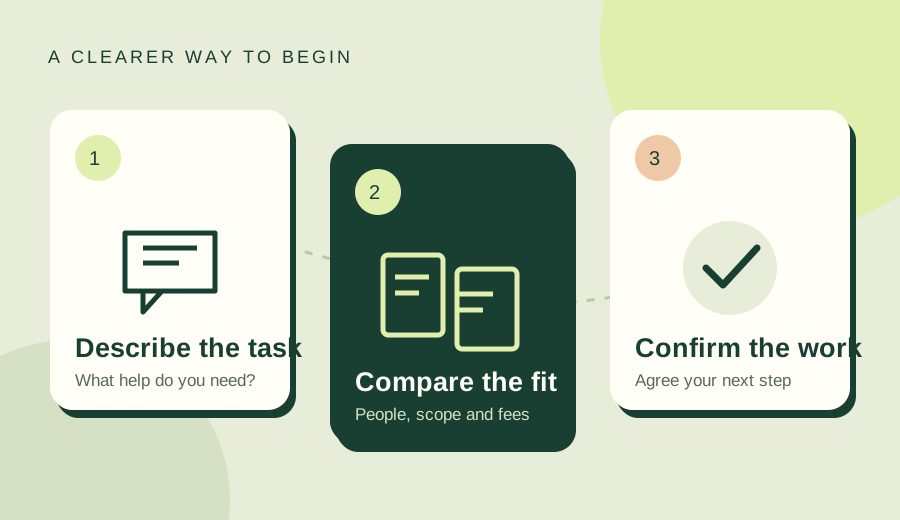
Start with the job you need done
Write a two-sentence brief before searching. For example: “I have been sent a draft agreement for a small shop lease. I want to understand it before I decide whether to sign.” That is much easier to match to a service than “I need a good lawyer”. Include the state or territory involved and any dates already mentioned in correspondence. Your home postcode may differ from the location relevant to the matter. You can describe an uncertain situation without deciding for yourself which legal claim, document or process applies.
Write a brief that gets a useful reply
A helpful brief separates the task from the outcome you hope for. “I want this problem to go away” describes a goal, but an office also needs to know what has happened and what you are asking it to do. A fictional example is: “I have received a draft agreement, it concerns a business in Victoria, and I want advice before replying. I have not asked anyone to negotiate yet.” That tells the office the stage and the requested first service without pretending you know the right legal strategy.
- State the immediate question and relevant jurisdiction.
- Identify documents you already hold without attaching sensitive material to an unconfirmed recipient.
- Flag any response date or appointment date.
- Ask the office to explain its intake process and proposed first step.
Make a small, useful shortlist
Start with a manageable number of offices whose listed services appear relevant. Two or three can be enough for an initial comparison when time permits; do not delay urgent advice just to complete a list. Read the provider category, check current credentials and confirm that the office accepts enquiries like yours. A firm offering family law may focus on different work from another firm in the same category. Ask who would actually handle your file, rather than assuming the person pictured on a website will do the work.
- Do you regularly handle matters with these features?
- Who will advise me, and who will be my everyday contact?
- Can you work within the dates I have been given?
Use the first conversation to test clarity
Notice whether the office explains what it needs from you, what it can offer and what remains uncertain. You should be able to ask for an unfamiliar term to be explained. A useful response might identify the documents needed before advice can be given, rather than promising a result after a brief phone call. Discuss an interpreter, accessible meeting arrangements or a safe contact method early. Ask how updates are provided and who covers the matter if your main contact is unavailable. Consider whether those arrangements suit your working hours and communication needs.
Distinguish a useful answer from an unresolved question
An office saying it needs to read a document before advising is different from refusing to explain its service. A useful administrative answer can identify the appointment price, who will attend and what preparation is needed while reserving legal conclusions until the facts are understood. If you are told “we handle everything”, ask for the specific tasks that would be covered. If a result is presented as certain, ask what information and assumptions support that statement. Record what is known and what still needs assessment.
Compare the same scope of work
Price becomes meaningful when you know what it buys. A consultation, a written opinion and ongoing representation are different services. Record what each office proposes, the work excluded and the assumptions behind its estimate. If one quote includes negotiating with another party and another only includes reading a document, the figures cannot be compared directly. Ask how extra work is approved and how you will learn about a change in expected cost. Keep a private comparison note with the date, contact person and unanswered questions.
Decide what matters most for your situation
Imagine two otherwise suitable offices: one is around the corner but has no appointment before the date you need; the other can discuss your matter remotely and has explained its process clearly. Location is still useful, but availability and the ability to do the work may matter more. This is a hypothetical comparison, not a recommendation about any provider. If neither option fits your budget, explore assistance services as well. Their eligibility and scope must be checked directly.
Use a comparison that reflects your priorities
Try three headings: essential, preferred and unresolved. Essential might include handling the relevant work and being able to discuss a stated date. Preferred might include a local appointment or a particular update method. Unresolved might include whether written advice is included. This is a decision aid, not a scoring system for professional quality. A five-star review cannot resolve an unanswered question about the actual service. If an essential point cannot be confirmed, clarify it before relying on the office to take responsibility.
When the first office cannot help
There are several possible reasons an office cannot take a matter, including its workload, service focus or intake checks. A refusal does not by itself tell you whether your legal position is strong or weak. Ask whether the office can identify a different type of service to contact, then confirm that service’s own intake arrangements. Do not assume a referral transfers responsibility or that a deadline has been extended. If cost is the obstacle, the official assistance pathways in our affordable-help guide may be a better next step.
Confirm the next step before relying on it
Before sending a full file, confirm the recipient and the office’s secure intake process. Ask what work has actually been agreed, when it starts and what you need to do next. A directory click, booking request or unanswered message does not confirm that a lawyer is protecting your position. Keep copies of the engagement information and ask questions about terms you do not understand. Avoid assuming that the absence of a signature settles whether obligations exist; clarify the arrangement directly before instructing further work.
Questions you might still have.
Is the closest lawyer always the best choice?
No. Consider relevant experience, jurisdiction, availability, communication and cost alongside location. Confirm whether remote appointments are suitable.
Can I rely on Google ratings?
Ratings can provide one perspective on a service experience, but do not verify registration, specialist accreditation or suitability for your matter.
Should I contact several offices?
A small comparison can help when time allows. Tell an appropriate adviser about urgent dates promptly rather than delaying while you collect quotes.
General preparation information, not legal advice. Rules and options depend on your circumstances and jurisdiction. Check current official information and speak with a qualified adviser about documents, rights or deadlines.
Make your next conversation easier.
Build a private enquiry plan or compare two quotes, then find offices and check the arrangements that matter to you.
Use the preparation tools ↗Find local legal services ↗