A little preparation can make a first conversation less daunting. Aim to explain the immediate question, flag any dates and find out what help is available. You do not need to write a legal argument or share your whole file to ask whether an office can assist.
Confirm the appointment’s purpose, price and preparation requirements. An intake call and an advice consultation are different things.
Start with the question, not the whole file
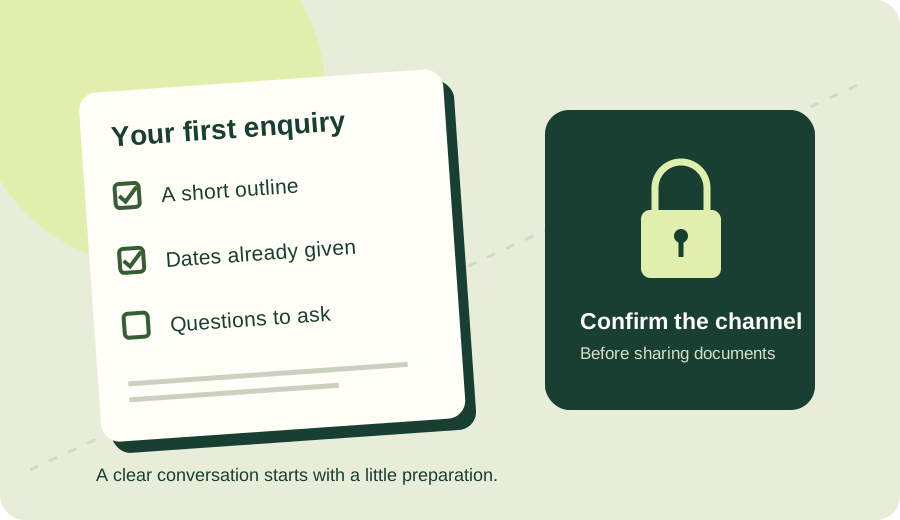
Before making contact, write a short description of the help you are looking for. Include the kind of issue, the relevant location and any dates you have been given. A first enquiry is a chance to find out whether the office can assist, not a requirement to send every document immediately. Use ordinary language; you can ask the provider to explain unfamiliar terms later.
Confirm the person at the other end
Check the provider's identity and current credentials independently. If a directory profile says contact details are under review, those links are deliberately unavailable; do not infer a replacement contact address from a similar business name. Once you reach an office, ask about its intake process and how it confirms whether it can act. Avoid placing confidential information in a search field or sending it to an unverified recipient.
Agree what happens next
Ask who you would meet, the cost and duration of the consultation, whether any preparation is required and whether remote or accessible appointment options are available. Make a note of what the office says it will do and when. An unanswered message is not confirmation that someone is acting for you. If there is a deadline, seek timely advice about it rather than assuming an enquiry has protected your position.
Keep a small comparison note
After each conversation, record the proposed scope, contact person, meeting arrangements and questions still unanswered. Compare these practical details instead of assuming a prominent listing, polished description or rating determines suitability. Our checklist offers prompts you can print or keep on your own device. It does not transmit your answers or personal circumstances to this directory.
A simple first-call script
Try: ‘I am looking for help with a draft agreement in NSW. I have been asked to respond by a particular date. Before I send it, can you tell me whether you handle this work, what an initial appointment costs and what you need for your intake process?’ Adapt the details to your situation. This is a fictional enquiry, not wording for communicating a legal position to another party.
- Briefly describe the issue and jurisdiction.
- Mention any dates you have been given.
- Ask what documents the office wants and how to send them.
- Check whether written advice or follow-up is included.
Leave with a clear understanding
Before the conversation ends, repeat back the agreed next step. Ask what you need to do, what the office will do and when to expect a response. If further work is proposed, clarify the scope and costs before giving instructions. You can ask for an explanation of unfamiliar terms. Keep any appointment confirmation and engagement information together, and do not assume that a referral or a request for documents means the office has accepted ongoing responsibility for the matter.
General preparation information, not legal advice. Rules and options depend on your circumstances and jurisdiction. Check current official information and speak with a qualified adviser about documents, rights or deadlines.
Make your next conversation easier.
Build a private enquiry plan or compare two quotes, then find offices and check the arrangements that matter to you.
Use the preparation tools ↗Find local legal services ↗