A first family law appointment can feel like being asked to explain an entire life change in an hour. You do not need a polished legal account. A short, organised outline helps the adviser identify what needs attention first.
Explain what you need help understanding now: arrangements for children, financial questions, an existing agreement or a document you have received.
Start with the immediate concern
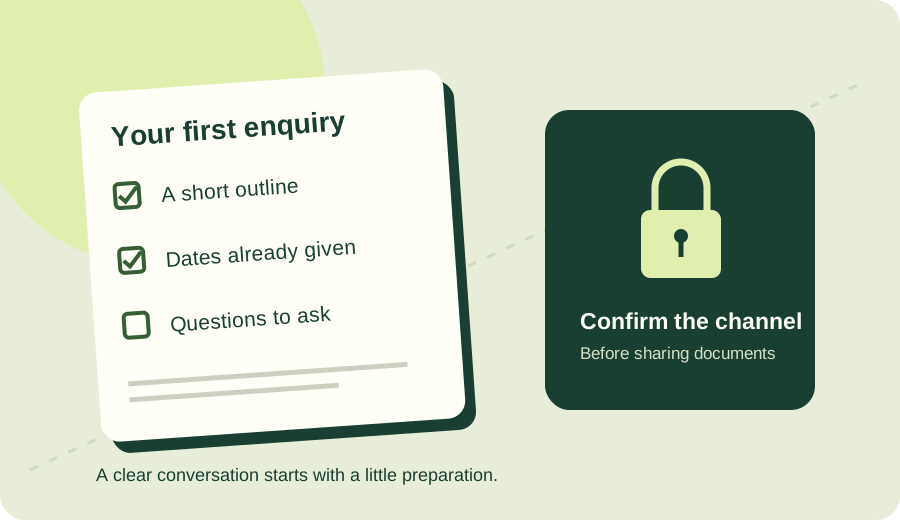
Explain what you need help understanding now: arrangements for children, financial questions, an existing agreement or a document you have received. Mention any stated dates and immediate safety concerns at the start. These issues can overlap, but an appointment about one does not automatically include advice on all of them. Ask the adviser to help define a realistic purpose for the first meeting.
Prepare a map of the situation
Write a brief chronology and list any existing orders, agreements, correspondence or pending appointments. Identify which documents you have and which you are missing. You can note the questions that worry you most without making assumptions about the legal outcome. Ask the office which documents to send in advance and whether reading them is included in the appointment price.
Agree safe and practical contact
Tell the office how it can safely call, email or leave a message. Explain whether you need an interpreter, a private room or a support person. Ask who the lawyer will regard as the client and how another person can participate. An adviser may need to speak with you alone for some of the meeting; confirm arrangements rather than assuming a shared appointment will suit.
Separate advice from later work
An initial conversation may explain options without including negotiation, document preparation or representation. Ask what written follow-up you will receive, what you would need to approve next and what additional work would cost. If more than one family member needs advice, ask the provider how it handles possible conflicts. Do not assume one office can advise everyone involved in the same disagreement.
A fictional booking comparison
Imagine one office offers a short intake call and another quotes for reviewing two existing orders before an advice appointment. The services differ even if both are described as a family law consultation. Ask the first what advice, if any, is included. Ask the second which documents and issues it will cover. Record the answers beside the prices so you can compare the actual scope.
Leave with questions answered
Before the meeting ends, ask what the adviser needs from you, what work it has agreed to do and which questions remain unresolved. Keep the engagement information and appointment notes together. The Federal Circuit and Family Court publishes official family law information, including pre-action procedures. Its material does not establish the process required in your circumstances; ask the adviser what applies.
Questions you might still have.
Can I bring a friend?
Ask the office before booking. Explain the person’s role and check whether the adviser needs part of the appointment with you alone.
Will the first appointment include contacting my former partner?
Only if the provider agrees to that work. Confirm the scope before assuming any communication will be sent.
Should I bring every message?
Ask which material is needed. A short chronology and the requested documents are easier to review than an unexplained collection.
General preparation information, not legal advice. Rules and options depend on your circumstances and jurisdiction. Check current official information and speak with a qualified adviser about documents, rights or deadlines.
Make your next conversation easier.
Build a private enquiry plan or compare two quotes, then find offices and check the arrangements that matter to you.
Use the preparation tools ↗Find local legal services ↗