An approaching date can make a legal search feel overwhelming. This guide helps organise an enquiry; it does not calculate deadlines, identify the right legal response or tell you whether a date can be changed.
Put the stated date at the start of the enquiry. Ask whether a suitable adviser can assess it in time, and do not assume an unanswered message or booking request protects your position.
Identify the document and the stated date
Have the letter, notice, contract or appointment information available. Record the issuing organisation, the document’s title, the date it was received and any date it says you must attend or respond. If you are uncertain what the date means, say so clearly. The adviser needs to assess the document and your circumstances. Avoid relying on a generic online time-limit table or assuming the rule is the same across every state and type of matter.
Ask about capacity before giving a long account
Start by saying what kind of issue you need help with and that a stated date is approaching. Ask whether the office handles that work and can assess the timing promptly. Explain the relevant jurisdiction and any practical availability limits. If the office cannot assist, ask whether it can suggest a suitable referral pathway. Do not interpret a receptionist taking your details, an automated email or an online calendar entry as confirmation that legal work has been accepted.
Prepare the smallest useful set of information
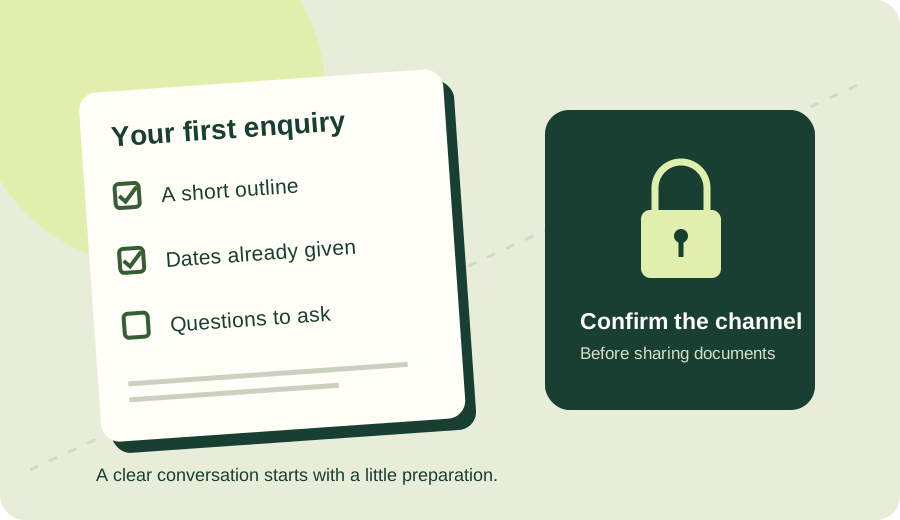
Use a short factual outline and the particular document containing the date. Ask the office what else it needs and how to share it securely. Keep a note of whom you contacted, when, what they said about availability and whether an appointment was confirmed. This helps you avoid waiting on an enquiry that is still unallocated. The directory’s enquiry planner can organise questions, but it does not contact an adviser or preserve a deadline for you.
Explore official assistance pathways as well
If private help is unavailable or unaffordable, check the legal aid and referral information for the relevant state or territory. Ask which service can consider your type of issue and what its intake process requires. If a court or tribunal is named in the document, use its official website for procedural contact information and ask the appropriate office about process questions. Do not assume staff can give legal advice, change a date or arrange representation. A qualified adviser can explain what options may exist in your circumstances.
Confirm what has actually been agreed
After a discussion, ask the provider to confirm the scope, the person responsible, any immediate step it has accepted and the fees or further information required. An appointment to discuss options is different from an agreement to prepare a response or appear at a hearing. Make sure both sides understand the stated date. If you have not received confirmation, do not assume silence means the work is being done.
A fictional example: a message is not an engagement
Imagine you submit an online enquiry about a notice and receive an automatic acknowledgement. That establishes that a system received the message, not that an adviser has read the notice or agreed to act. A useful follow-up asks whether the office can assess the matter before the stated date and what confirmation you should expect. If it cannot assist, seek another suitable contact or official assistance pathway rather than treating the acknowledgement as protection.
Questions you might still have.
Can this site tell me the deadline?
No. The site does not assess your documents or calculate legal deadlines. Give the document and stated dates to a qualified adviser who can assess the relevant circumstances.
Does a consultation booking mean someone will attend a hearing for me?
Do not assume that. Ask for confirmation of the work the provider has accepted, including any preparation or attendance you need to discuss.
General preparation information, not legal advice. Rules and options depend on your circumstances and jurisdiction. Check current official information and speak with a qualified adviser about documents, rights or deadlines.
Make your next conversation easier.
Build a private enquiry plan or compare two quotes, then find offices and check the arrangements that matter to you.
Use the preparation tools ↗Find local legal services ↗