When bills, collection letters or court documents arrive, it can be hard to know whom to call. The useful distinction is what help you need, not which service has the most reassuring name.
Explain whether you need help managing bills, understanding a disputed amount, reading a notice or responding to legal proceedings.
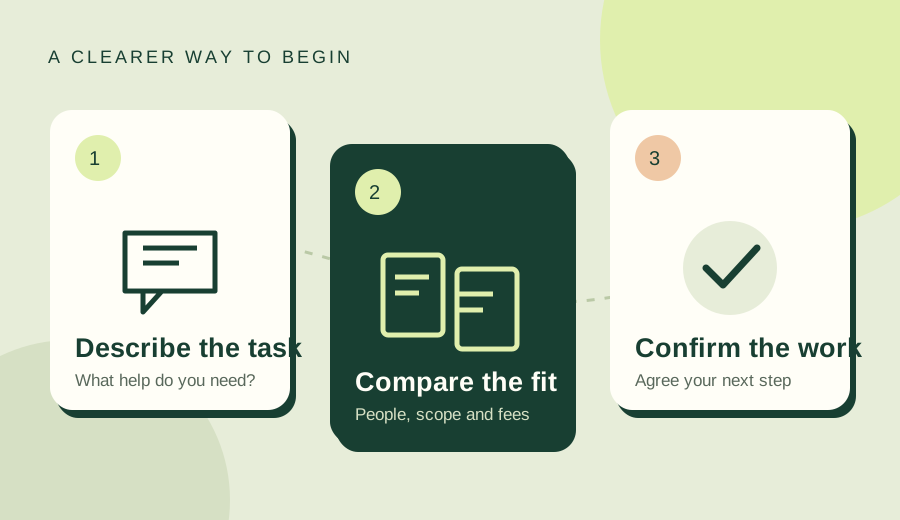
Describe the immediate task
Explain whether you need help managing bills, understanding a disputed amount, reading a notice or responding to legal proceedings. Identify any stated date and the organisation that issued the document. Do not assume a budgeting conversation includes advice on a court response. Ask the service whether it can assess the immediate issue and which other professional or assistance pathway may be appropriate.
Understand the two conversations
ASIC’s Moneysmart describes financial counselling as a free, confidential service offered by not-for-profit community organisations. It also distinguishes financial counselling from legal advice and directs people facing legal action to seek legal help. Ask each service what it can do for your situation. A paid debt-management business, a financial counsellor and a solicitor may offer very different engagements.
Gather a simple debt outline
Prepare the names of the organisations contacting you, the documents received, amounts stated and any dates. Mark disputed or uncertain information clearly rather than presenting it as agreed. Ask what financial records the service needs before sharing account details. Keep a contact log so you know which enquiries are awaiting replies and which appointments or tasks have actually been confirmed.
Clarify what a lawyer’s fee covers
A lawyer might be asked to explain a document, advise on a dispute or undertake a defined stage of work. Ask what the first appointment includes, whether documents are reviewed beforehand and what subsequent communication would cost. If private help is unaffordable, say so and ask about official assistance. A lower headline price is not useful if it covers a different task.
Avoid promises without a defined service
If a provider uses broad language about solving debt problems, ask for the specific work, total fees, assumptions and exclusions in writing. Confirm its identity and the person responsible. Do not assume an advertised result is achievable in your circumstances. Ask an appropriate adviser to explain a proposed arrangement before relying on it, particularly where a document or payment request is unclear.
Keep timing separate from intake
An enquiry receipt, counselling booking or first legal appointment does not by itself confirm that a formal response is being prepared. Tell the provider about documents containing dates and ask what it has accepted responsibility for. If it cannot help, request another suitable contact promptly. This directory does not determine whether a debt is owed, assess enforcement action or choose a financial arrangement for you.
Questions you might still have.
Is financial counselling free?
Moneysmart describes financial counselling through not-for-profit community organisations as free. Check that you are contacting that service rather than a paid debt-management business.
Does a counselling booking cover court documents?
Do not assume so. Explain the documents and ask about legal assistance.
Can the directory tell me whether to pay?
No. Ask a qualified adviser to assess disputed amounts, documents and your circumstances.
General preparation information, not legal advice. Rules and options depend on your circumstances and jurisdiction. Check current official information and speak with a qualified adviser about documents, rights or deadlines.
Make your next conversation easier.
Build a private enquiry plan or compare two quotes, then find offices and check the arrangements that matter to you.
Use the preparation tools ↗Find local legal services ↗