If you need a criminal lawyer, focus the first contact on identifying appropriate help and communicating the timing. You do not need to explain sensitive details in a directory search.
Tell the office whether the enquiry concerns a police matter, a document you have received or an upcoming court appearance.
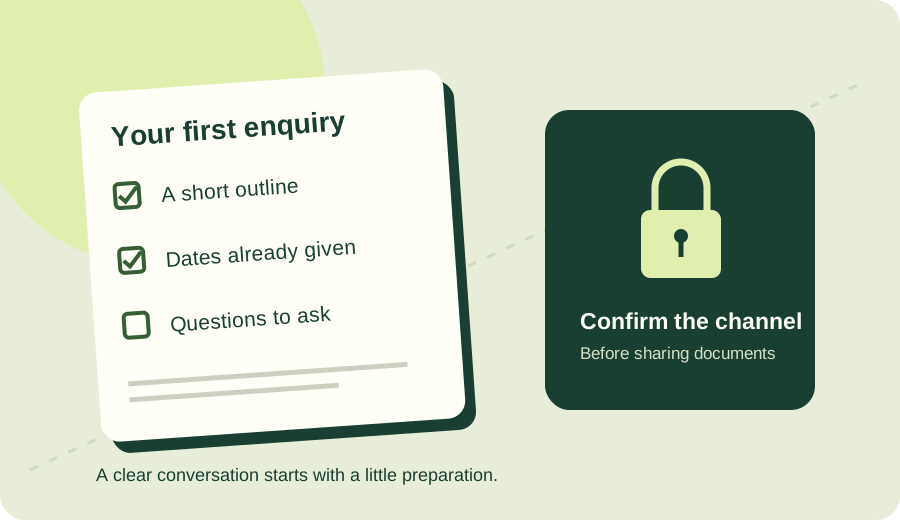
State the stage and timing
Tell the office whether the enquiry concerns a police matter, a document you have received or an upcoming court appearance. Identify the location, named court if any and dates written on the documents. Ask whether the lawyer handles this type of work and can assist within the relevant timeframe. This page does not advise what to say to police or how to respond to a charge.
Ask what to provide securely
Have the document titles and reference details available, but ask the office how it wants to receive material. The adviser should explain which documents are relevant to the initial assessment. Avoid publishing allegations or personal details in a general search field. If another person is making the booking, explain that relationship and ask whom the lawyer needs to speak with directly.
Separate consultation and appearance
An appointment to discuss a matter is different from an agreement to attend court, review a brief or undertake later preparation. Ask the provider to identify the stage covered, the responsible lawyer and the work excluded. If a barrister or another professional may be involved, ask how that would be arranged and priced. Do not assume one appearance fee covers an entire proceeding.
Check assistance options
Official legal aid websites explain ways to seek help, including information about criminal matters. Availability, eligibility and the scope of particular services vary. Ask which service is appropriate for your situation and what you need to do before attending. A directory listing cannot establish access to a duty lawyer or guarantee that a particular organisation will represent you at a hearing.
Make attendance arrangements explicit
Ask where and when to meet, whether you need an appointment and what documents to bring. Explain interpreter, disability access or communication requirements early. Confirm whether the provider has accepted the engagement and understands the stated date. If the office is unavailable, ask for a suitable referral promptly rather than assuming an unanswered enquiry means someone is reviewing the matter.
Keep the scope with your papers
Record the provider’s contact details, the named person handling the enquiry and any written confirmation of work. Ask how updates will be communicated and what further instructions are needed. Keep organisational notes separate from any document you may later be asked to sign or submit. A qualified adviser must assess your circumstances; this guide cannot determine a plea, defence, outcome or procedural step.
Questions you might still have.
Does booking a consultation mean a lawyer will attend court?
No attendance is assumed. Obtain confirmation of the accepted work and the particular appearance, if any.
Can a family member arrange the appointment?
Explain their role to the office and ask who must give instructions and participate.
Can this directory advise on what to say to police?
No. Contact an appropriate qualified adviser or official legal assistance service.
General preparation information, not legal advice. Rules and options depend on your circumstances and jurisdiction. Check current official information and speak with a qualified adviser about documents, rights or deadlines.
Make your next conversation easier.
Build a private enquiry plan or compare two quotes, then find offices and check the arrangements that matter to you.
Use the preparation tools ↗Find local legal services ↗