A neighbour dispute can affect everyday life as well as raise legal questions. The first useful step in finding help is to describe the specific problem and the outcome you want an adviser to assess.
Explain whether your concern involves a boundary, fence, noise, access or another issue, and identify the property’s state or territory.
Name the problem precisely
Explain whether your concern involves a boundary, fence, noise, access or another issue, and identify the property’s state or territory. Say what has happened so far and whether any formal notice or proceeding exists. Do not assume a single rule covers every property or type of dispute. Ask the provider whether it handles that particular issue and which documents would help it assess the enquiry.
Prepare a calm record
Create a short timeline with dates, correspondence and relevant records you already hold. Separate what you observed from what you believe happened. Ask the adviser about suitable evidence and avoid escalating the situation to produce more material. This guide does not advise on recording conversations, accessing land or collecting evidence. A working note is for organising your questions, not automatically a document to send to the neighbour.
Ask about possible service pathways
Victoria Legal Aid’s neighbour-dispute information discusses dispute resolution as one possible pathway. That is Victorian background, not a conclusion that mediation is suitable or required in every case. Ask a qualified adviser about the options relevant to your circumstances, including any safety concerns. Confirm whether the provider offers advice only, refers to another service or can undertake further work.
Define the work you are comparing
A consultation about rights and options, preparation of correspondence and representation in a proceeding can involve different fees. Ask what the initial service produces and who decides whether to proceed further. If another professional’s assessment might be needed, ask how that would be arranged and paid for. Do not assume a legal quote includes a survey, expert opinion or other external work.
Use a realistic appointment brief
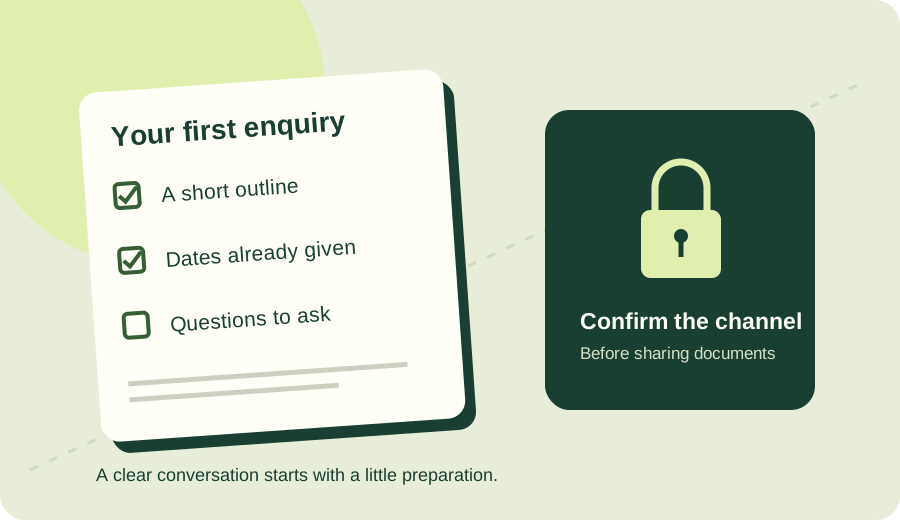
A fictional first enquiry might say: “I have correspondence about a fence at a property in this state. I would like advice on the document and my options before responding. What should I bring, and what does the initial appointment include?” It describes the task without asserting a legal conclusion. Adapt the questions to your issue and tell the provider about any stated date.
Keep the follow-up clear
After receiving advice, confirm what the lawyer has agreed to do, what remains your responsibility and how further questions are charged. If another service is suggested, ask whether you need to make the referral yourself. A directory enquiry or mediation enquiry does not establish that formal steps are being taken. Keep the documents and written scope together so the next conversation starts from the same information.
Questions you might still have.
Does the directory decide who is right?
No. The facts, documents and applicable rules need assessment by an appropriate adviser.
Is mediation always the next step?
No. Ask about suitability, process and safety in your circumstances.
Does a legal fee include a survey?
Do not assume so. Ask about any external professional and expense separately.
General preparation information, not legal advice. Rules and options depend on your circumstances and jurisdiction. Check current official information and speak with a qualified adviser about documents, rights or deadlines.
Make your next conversation easier.
Build a private enquiry plan or compare two quotes, then find offices and check the arrangements that matter to you.
Use the preparation tools ↗Find local legal services ↗