A fixed fee can be useful, but the words alone do not tell you what you are buying. An hourly quote can also be useful if you understand the expected work and how changes will be reported. Start by comparing the task rather than choosing a billing label.
Apply this guide
Compare billing models through the same fictional task
Ask how each model prices the first deliverable, changed instructions and additional work. The billing label does not establish the total cost or the value of the service.
A worked example
Fictional preparation example, not a real case or predicted outcome.
Both firms will review one contract. The fixed proposal excludes negotiation; the hourly proposal estimates a review and one negotiation round. Request the review stage on a common basis, then ask how later changes would be priced. Neither structure guarantees a cheaper final bill.
| What to compare | Question to ask | Useful information |
|---|---|---|
| Fixed scope | Which assumptions make this a fixed amount? | Document and revision limits, inclusions and exclusions. |
| Time-based scope | What work and staffing underpin the estimate? | The estimated stage, rates and update process. |
| Unexpected work | How will I know before the scope changes? | The communication and agreement process in each proposal. |
Prepare these items
- One shared task description for both firms.
- Known expenses, tax and excluded tasks.
- A note of how changes and unfinished work would be handled.
An enquiry message you can adapt
Please explain how this billing model would price the initial review and a later revised draft, including any negotiation and external expenses.
Replace the placeholders in your own notes. Confirm the recipient and document channel before sharing confidential information. No information is collected by this workbook.
Your next step
Compare written answers, not only the price label. Use the quote worksheet to keep different scopes and unknown amounts visible.
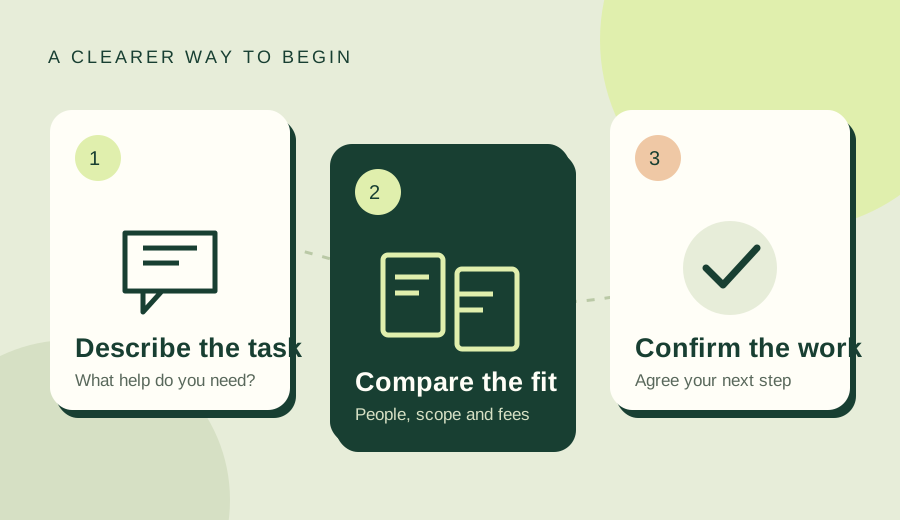
Define the deliverable before comparing the fee
Write the outcome of the proposed work in one sentence: a document review with written comments, a first advice meeting or representation at a named event. Ask each office to quote for the same starting point. If one includes a follow-up call and the other stops after sending a letter, the prices are not directly comparable. This small exercise often exposes the missing question more quickly than comparing the headline amounts.
Ask what makes a fixed fee change
Ask which assumptions support the quote: document length, number of parties, number of revisions or the stage of the matter. Request examples of work outside the quoted scope and how the office would obtain agreement to an extra charge. Fixed pricing for one stage does not tell you the cost of every possible later stage. Keep the quoted work and possible future work on separate lines in your comparison notes.
Ask how hourly work will be estimated and reported
For time-based work, ask who will do it, the applicable rates and what the initial estimate covers. Find out how you will be told about changes and whether a stage-by-stage budget can be discussed. An estimate is useful only if its assumptions are understood. Explain any spending constraint before work begins and ask what happens when the proposed task cannot be completed within the amount you had in mind.
Separate professional fees from external expenses
Put GST, external expenses and any other quoted amounts beside the professional fee so that you can see what has and has not been included. Ask about items described as estimates or payable separately. Do not fill an empty field with zero. An unknown amount is a question to resolve, particularly if the work may require reports, searches or another professional. Use the same headings for both proposals to reduce accidental omissions.
A fictional comparison: one review or ongoing negotiation
Suppose one proposal covers reading a contract and a written advice note, while another estimates time for reviewing it and negotiating changes. The second proposal covers more activity, even if both are described in conversation as contract help. Ask the first office what negotiation would add and the second whether the review can be priced separately. The example contains no market prices because the lesson is about matching work, not predicting an appropriate fee.
Record the answers before you engage the firm
Use a short comparison with columns for deliverable, assumptions, exclusions, known amounts, unresolved amounts and approval of changes. Bring uncertainties back to the provider and keep the written response with the proposal. A lower amount may suit your needs, or it may omit a task you expected. Your decision is more informed when you can explain why the proposed scope fits the immediate problem and what would happen next.
Fixed-Fee vs Hourly Lawyers: FAQs
Is a fixed fee always cheaper?
The label does not establish that. Compare the same work, assumptions, exclusions and expenses. This article does not provide market prices or recommend a particular billing model.
What if a quote leaves expenses blank?
Treat the amount as unknown and ask what may be charged separately. Do not assume a blank field means that the expense is included or costs nothing.
Is this advice about my costs agreement?
No. It is general comparison information, not legal advice. Ask an appropriate adviser about the effect of your actual costs agreement or a costs dispute.
General preparation information, not legal advice. Rules and options depend on your circumstances and jurisdiction. Check current official information and speak with a qualified adviser about documents, rights or deadlines.
Prepare a lawyer enquiry or compare legal quotes
Build a private enquiry plan or compare two quotes, then find offices and check the arrangements that matter to you.
Use the preparation tools ↗Find local legal services ↗