When a purchase goes wrong, your records and the outcome you are asking about matter more than a long account of frustration. This guide helps prepare an enquiry without deciding the remedy available to you.
Note what was purchased, from whom, when the problem appeared and which conversations have already occurred.
Build a purchase timeline
Note what was purchased, from whom, when the problem appeared and which conversations have already occurred. Keep the receipt, agreement, relevant description and correspondence together. Explain what you want help understanding rather than assuming a particular legal remedy is guaranteed. If a formal document or notice has arrived, identify its stated date at the start of the enquiry.
Know the role of an information service
The ACCC provides consumer information and explains ways to raise a problem with a business. It also states that it does not resolve individual complaints or provide legal advice about your rights and obligations. Reporting a concern and obtaining personal assistance are different actions. Check which state consumer body, dispute service or legal adviser can help with the particular task you need.
Prepare the smallest useful document set
Ask a prospective adviser which documents it needs to assess the issue. A clear record of the purchase and previous responses can be more useful than a large collection of unrelated messages. Label copies and keep originals intact. If you are uncertain about the seller’s legal identity or a document’s completeness, say so and ask what further checks may be needed.
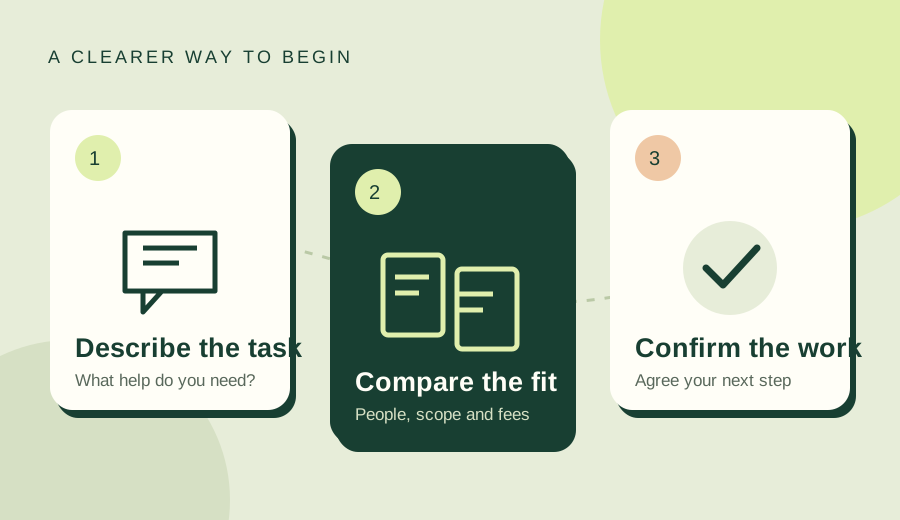
Compare the proposed help
Ask whether the service includes explaining options, reviewing correspondence, preparing a letter or representing you in a later process. Confirm the cost of each stage and any external expenses. A lawyer can help assess the practical implications of pursuing an issue, but this directory cannot decide whether a claim is worthwhile or predict recovery. Avoid treating an advertised outcome as a promise.
A fictional service comparison
Imagine one provider offers a single advice appointment and another proposes drafting a response after reviewing the purchase documents. The second quote includes a deliverable that the first may not. Ask both what written follow-up you receive and what remains for you to do. If a dispute service is also involved, explain that so the adviser understands the current position.
Confirm responsibility for the next communication
Before relying on the engagement, ask who will contact the business or dispute service, what further information is needed and whether you need to approve anything first. Keep a note of agreed dates and costs. An online complaint receipt is not confirmation that a lawyer is acting for you. Obtain advice on formal documents and timing when those arise.
Questions you might still have.
Will the ACCC resolve my individual complaint?
The ACCC says it does not resolve individual complaints. Its website explains consumer information and reporting options.
Can this guide tell me to demand a refund?
No. A qualified adviser or appropriate official service can explain the rules relevant to the particular circumstances.
What if I already used a complaint process?
Tell the adviser what you submitted and what response you received, including any stated dates.
General preparation information, not legal advice. Rules and options depend on your circumstances and jurisdiction. Check current official information and speak with a qualified adviser about documents, rights or deadlines.
Make your next conversation easier.
Build a private enquiry plan or compare two quotes, then find offices and check the arrangements that matter to you.
Use the preparation tools ↗Find local legal services ↗